Understanding Paediatric Palliative Care Beyond the Myths
When most people hear the words palliative care, they think of cancer.
They think of the final days.
They think of goodbye.
But paediatric palliative care is not a room where hope goes to die.
It is a space where love is fiercely protected.
It is not only for children who are dying.
It is for children who are living, often bravely and often painfully, with life limiting or life threatening conditions.
And there are many.
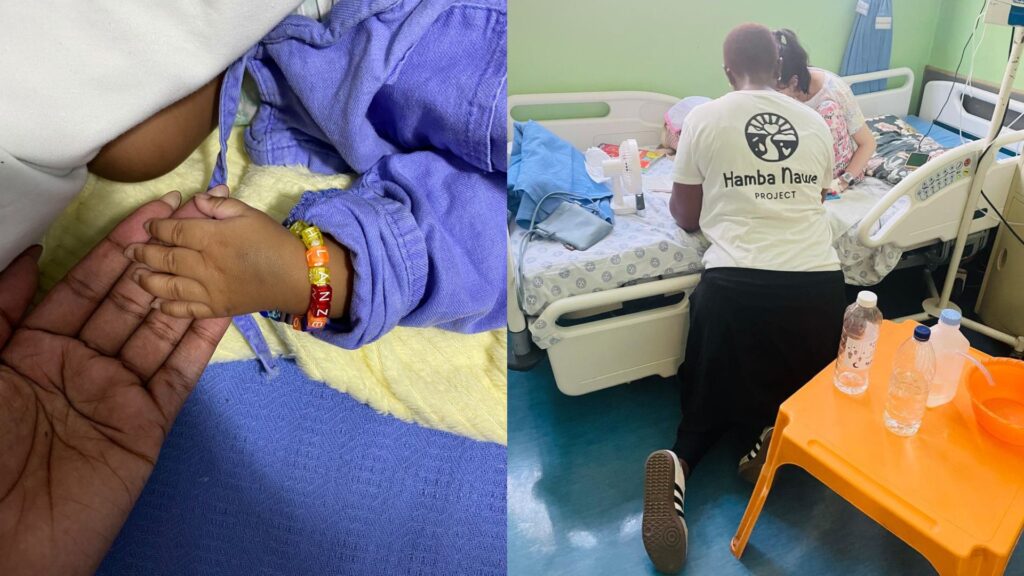
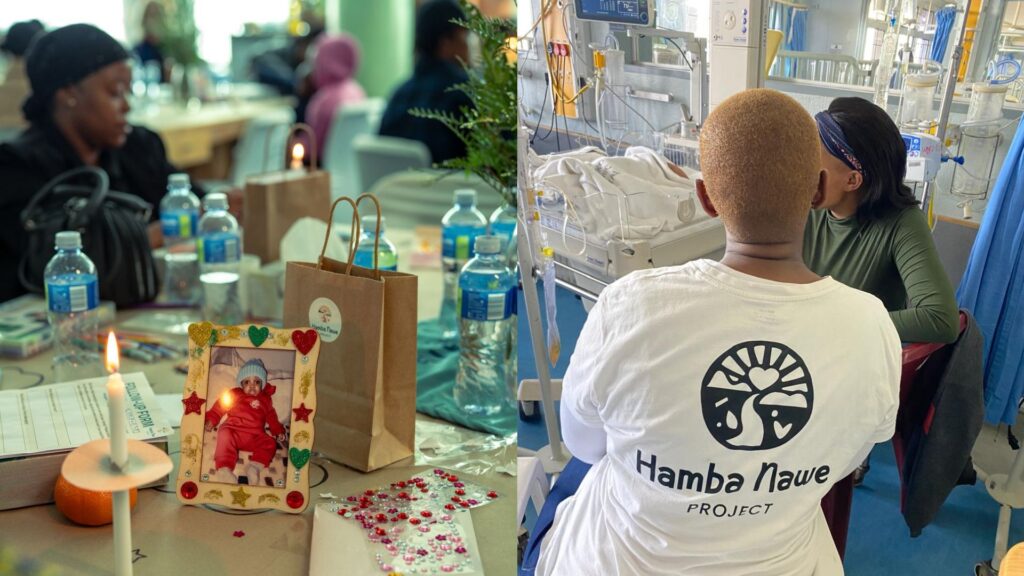
Through the work of the Hamba Nawe Project, an initiative of the Grové Schoombee Foundation, we see this every day. We meet families whose journeys are complex, uncertain and heavy. But we also see courage. We see tenderness. We see love that refuses to let suffering have the final word.
It Is Not Just Cancer
Yes, some children receiving palliative care have cancer.
But many do not.
Paediatric palliative care supports children living with:
Severe cerebral palsy
Genetic and metabolic disorders
Congenital heart defects
Progressive neurological conditions
Traumatic brain or spinal cord injuries
Rare syndromes most of us cannot pronounce
Complex disabilities that affect breathing, feeding, mobility and development
In our South African context, many of these children face additional challenges such as limited access to specialised care, long travel distances to hospitals and financial strain on families already stretched thin.
Some of these children may live for months.
Some for years.
Some into adulthood.
What they all share is complexity, vulnerability and a life that deserves to be lived as fully and comfortably as possible.
It Is Not Giving Up
One of the most painful misconceptions is that palliative care means there is nothing more we can do.
In truth, it means there is so much we can do.
Paediatric palliative care focuses on:
Relieving pain and distressing symptoms
Supporting feeding and breathing challenges
Assisting with mobility and comfort
Providing emotional and psychological support
Walking alongside parents through impossible decisions
Ensuring that siblings are not forgotten
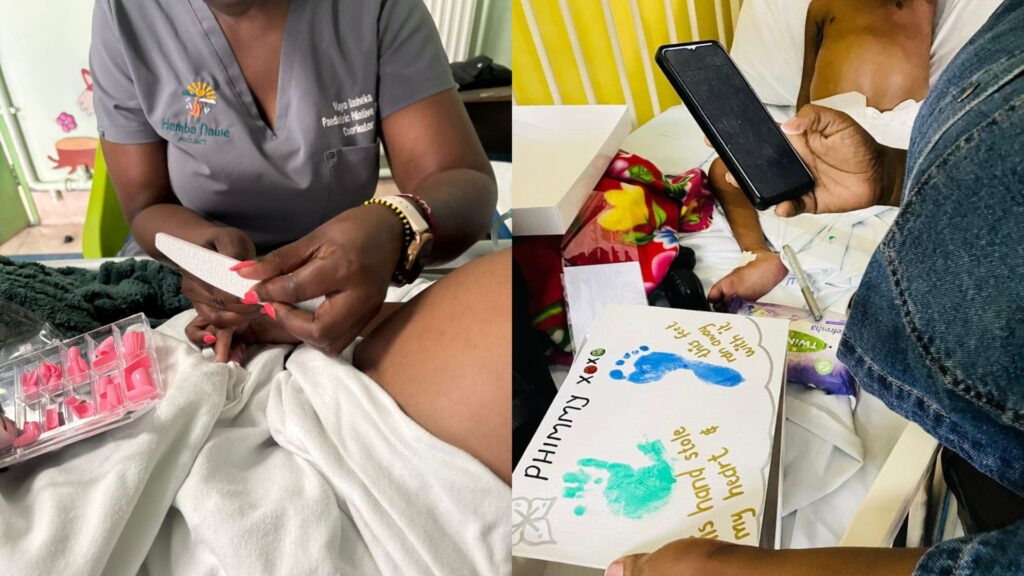
Helping families create meaningful memories
At Hamba Nawe, this can look like helping a child’s pain come under control so they can rest. It can look like equipping a parent to care confidently for their medically fragile child at home. It can look like sitting with a mother while she voices fears she has not dared to say out loud.
It can begin at diagnosis, even while curative treatments are still ongoing.
Palliative care and treatment can walk hand in hand.
Because sometimes healing looks like remission.
And sometimes healing looks like comfort, dignity and presence.
It Is About Living Well, However Long That Is
Imagine being told your child’s condition is life limiting.
The words hang in the air. Heavy. Undefined.
Does that mean weeks?
Years?
A lifetime of fragility?
Paediatric palliative care steps into that uncertainty. Not with false promises, but with steady hands.
It asks:
How can we make today easier?
How can we manage the seizures?
How can we help her breathe more comfortably at night?
How can we support you as parents when you have not slept in months?
How can we make sure he still gets to be a child?
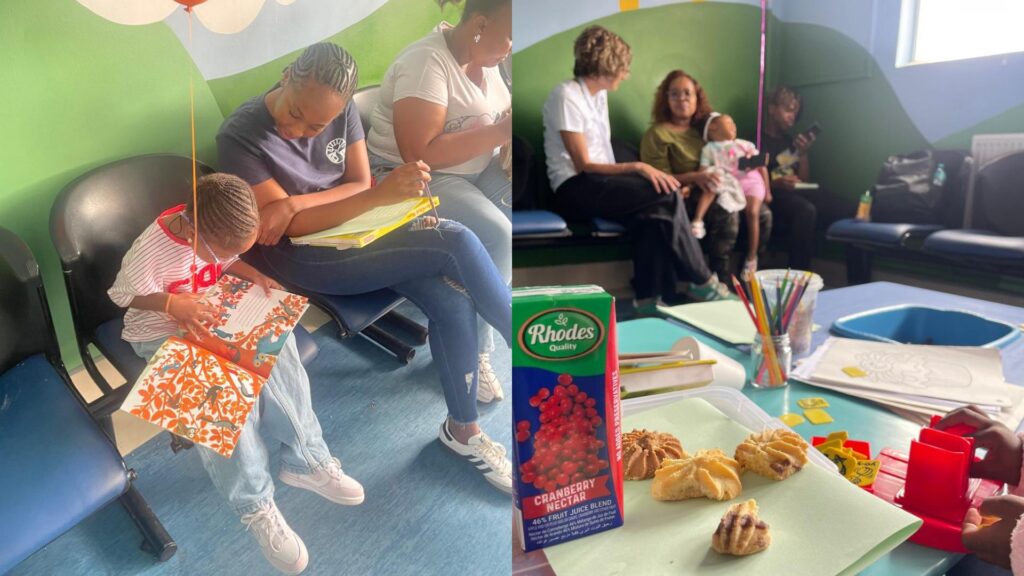
Because even children with oxygen tanks still love bubbles.
Even children who cannot speak still laugh.
Even children whose futures are medically uncertain still deserve birthdays, stories, sunlight and soft blankets.
This is what Hamba Nawe exists for. To walk alongside. To lighten the load where possible. To make sure that even in complexity, childhood is not erased.

It Holds the Whole Family
A diagnosis does not only change a child’s life.
It rewrites a family’s story.
Mothers often carry invisible grief while still packing school lunches.
Fathers learn medical terminology they never wanted to know.
Siblings grow up faster than they should.
Paediatric palliative care recognises this.
It supports not just the body, but the heart.
It supports not just the child, but the entire ecosystem of love surrounding that child.
Sometimes that means counselling.
Sometimes it means sitting quietly in a hospital room.
Sometimes it means helping parents plan for possibilities they are terrified to speak out loud.
Through the Grové Schoombee Foundation, we have the privilege of helping make this care possible. Not only medical care, but holistic care that sees the person behind the diagnosis and the family behind the file.
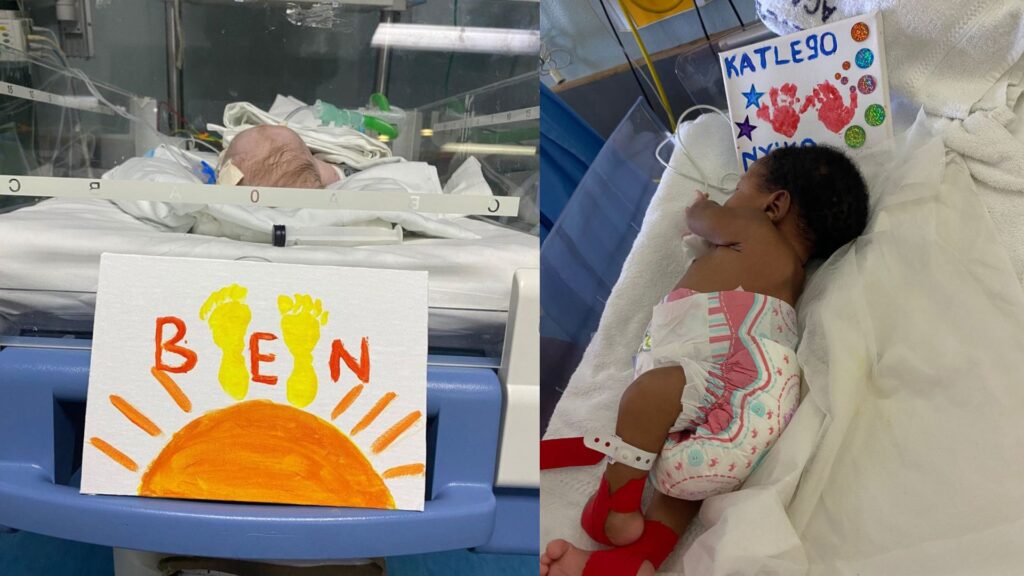
When End of Life Does Come
Yes, sometimes palliative care does walk a family through goodbye.
But even then, it is not about surrender.
It is about ensuring that a child is not in pain.
That a parent can hold their baby without machines screaming in the background.
That a family can say what needs to be said.
It is about dignity.
It is about sacredness.
It is about love carried to the very end.
And sometimes beyond.
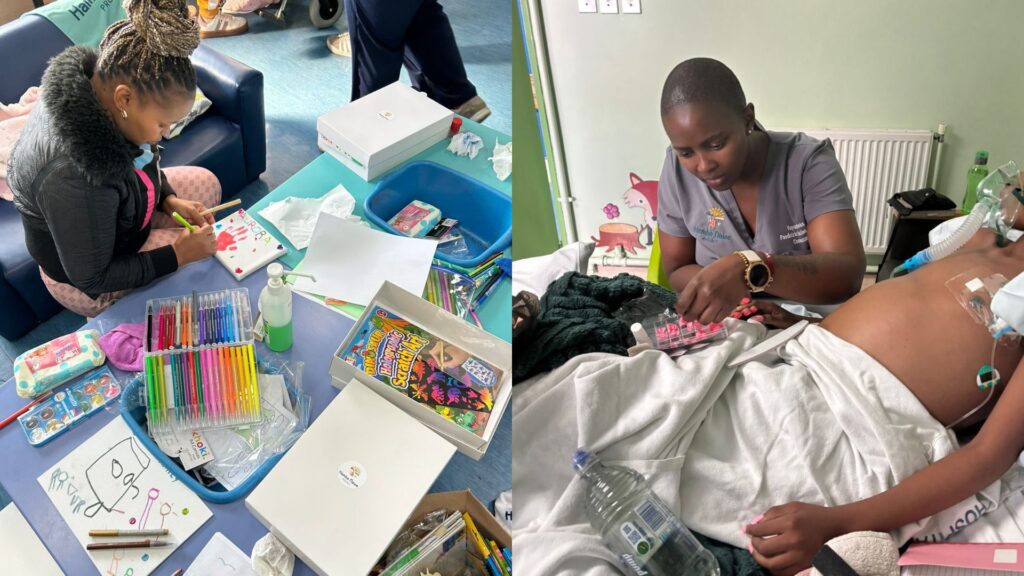
Why It Matters So Deeply
Paediatric palliative care teaches us something uncomfortable yet profound.
The value of a life is not measured in its length.
It is measured in its depth.
In the tenderness of a nurse adjusting a pillow.
In the bravery of a little body struggling for every breath.
In the resilience of parents who wake up every day and choose love again.
Through Hamba Nawe, we see that caring is not secondary to curing. It is essential. It is powerful. It is sacred work.
It reminds us that medicine is not only about curing.
It is also about caring.
And sometimes caring is the most powerful thing of all.